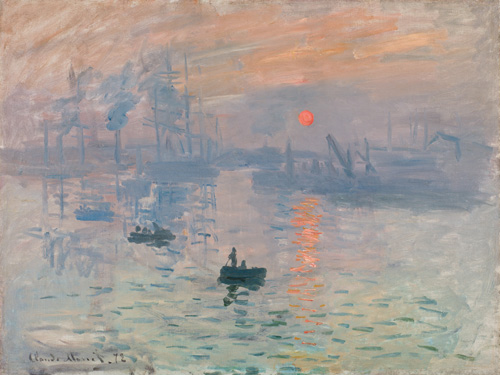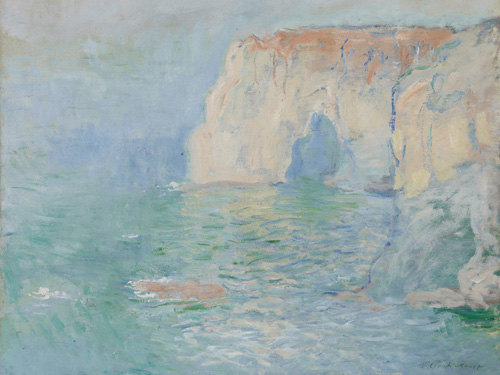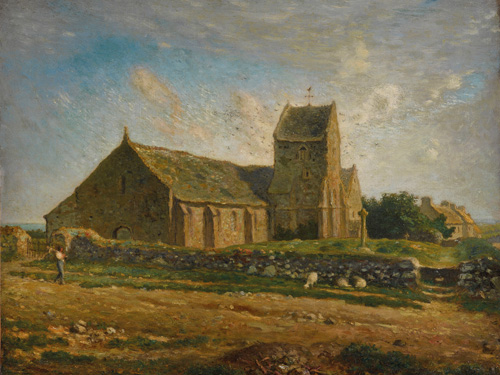

Visit three homes where Claude Monet lived on a three-day bike tour. This trip enables you to learn so much more about the family life of the master of Impressionism. Going from Argenteuil to Vétheuil, and on to Monet’s famed house in Giverny, with the gardens he created, travel purely via low-carbon modes of transport.
Between Paris and the Seine’s great meanders, this route crosses so many spots that influenced some of Monet’s most iconic works, such as the railway bridge at Argenteuil, the Seine’s banks at Vétheuil, or the famed Nymphéas (Water Lilies), the last inspired by Monet’s very own garden in Giverny. As he loved to paint en plein air, it’s only appropriate for you to head out using gentle modes of transport (train and bike) to get into the great outdoors that so nourished Monet’s artistic choices.
To do this trip, you can hire a bike via Dolce Via or then take your own bike(s) by train, checking on options for cyclists travelling with a bike on the Transilien and NOMAD rail networks.
Day 1: from Paris to Argenteuil
Train + 21km by bike
The journey begins by taking a Transilien train (on Line J) from Gare Saint-Lazare, the Paris station depicted so many times by Monet in 1877, reflecting his fascination with steam trains and the light imparted by the station’s glass roofs. Head to Argenteuil, an historic village much appreciated for outings by Parisians in the 19th century, and the place to which Monet and his family moved in 1871.
Just a stone’s throw from Argenteuil train station, you’ll find the Maison Impressionniste Argenteuil where Monet and his family lived from 1874 to 1878.
This ‘pink house with green shutters’ has been renovated and opened to the public, who can enjoy an immersive trail through the property, taking them back to the buzzing artistic times of the Impressionists, evoking the Seine’s banks and regattas on the river, scenes Monet loved to depict. During his seven years living in Argenteuil, he painted no fewer than 250 canvases!
Taking another Transilien train, in just under an hour you can reach the town of Mantes-la-Jolie, from where you need to continue your journey along the banks of the Seine by bike, following the cycle route, La Seine à Vélo. Riding towards Vétheuil, settle into your own rhythm as you reconnect with nature, immersing yourself in landscapes that Monet observed so keenly.
Day 2: Seine landscapes around Vétheuil
22km by bike
The perfect way to explore Vétheuil is on foot, savouring the atmosphere of this quaint village clinging to the Seine’s slopes and visiting the second Seine-side house where Monet lived. This home evokes the artist’s life here between 1878 and 1881 with great simplicity and tenderness. This was a particularly difficult period for our painter, marked by major financial difficulties and the loss of his first wife, Camille. Despite these struggles, he managed to complete almost 200 canvases here. He never tired of observing the views from the windows of this family home, the ever-changing light feeding his creativity.
On the walking trail around the village, visit the church, and the cemetery where Camille was buried. Along the way, you’ll encounter reproductions of paintings, both in the lanes and beside the Seine, revealing spots where the artist set up his easel that have scarcely changed up to the present day.
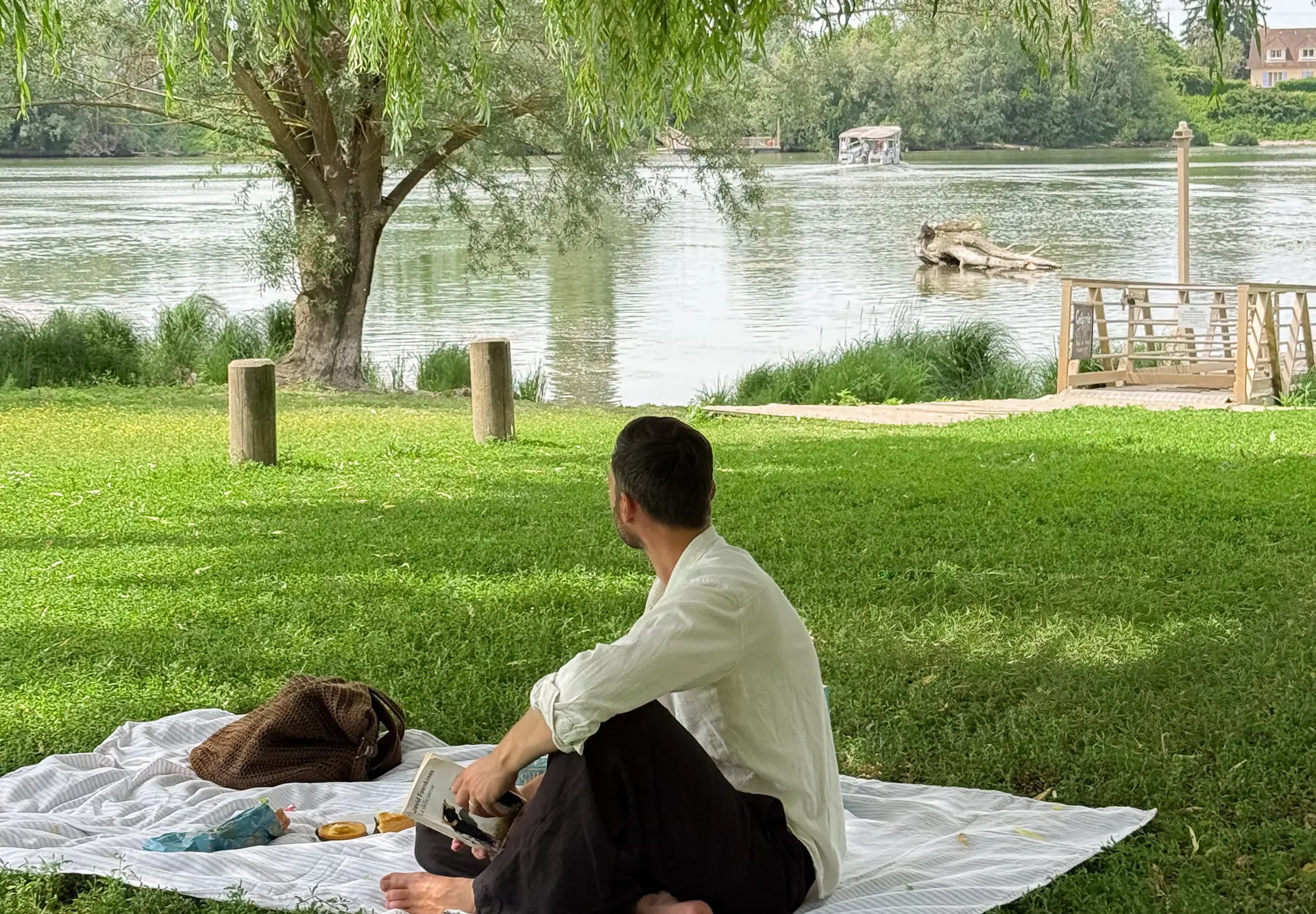
On Fridays, weekends and public holidays from April to November, you can cross the Seine with your bike to Lavacourt on a little ferry, or bac. Monet painted several iconic canvases of Vétheuil from this bank. Still such a rustic spot, it provides a perfect place to create your own déjeuner sur l’herbe, or picnic, beside the Seine.
Back at Vétheuil, rejoin La Seine à Vélo cycle route to head on to La Roche-Guyon, a member of the association Les Plus Beaux Villages de France. This lovely village is dominated by its castle looking down on the Seine Valley, while the Chemin des peintres walking trail is dotted with panels reproducing Impressionist canvases painted here.
Finally, it’s time to continue on to Giverny, sticking to the cycle route, La Seine à Vélo, following the river’s great meanders. The landscapes bring to mind paintings done by Monet while aboard his bateau-atelier, or boat-cum-studio. The poplars, islands and reflections seem scarcely to have altered since our great artist observed them. You can almost sense Monet’s presence as you continue on to Giverny, where you can enjoy a calm, inspiring evening to end the second day.
Day 3: Giverny and Vernon
5km by bike
At the start of this final day, stroll through Giverny to the former Hôtel Baudy, once a magnet for American artists, attracted here by the master of Impressionism. A little further on, in the heart of the cemetery, lies Monet’s discreet, sober grave. Make a further stop at the Musée des impressionnismes Giverny that displays, among other paintings, one of the canvases in Monet’s series of Nymphéas (Water Lilies). Every year, temporary exhibitions here also provide a contemporary take on the legacy of the master of Impressionism.
The time has now come to visit Monet’s most famous house, where he lived for over 40 years, the property where he perfected his Nymphéas (Water Lilies) series, his greatest lifework. Inside, the house still feels lived in, with Monet’s kitchen, bedroom and salon-atelier (or studio-cum-salon) restored to how they looked in his day. Outside, his famed gardens, almost extensions of the artist’s palette, might be described as a living museum. The water lily pond, the Japanese bridge and the extensive flower beds recall so many iconic series of paintings Monet made here, bringing him global fame.
For the last leg, continue riding towards Vernon, once again following La Seine à Vélo, passing in front of Giverny-Limetz Station, used by Monet in his day. Poplars and willows abound along the way, recalling the lines of trees that the artist depicted in several of his series. Finally, you arrive at Vernon, with exceptional views from Pont Clemenceau onto the Collégiale Notre-Dame, a church that appeared in several works by Monet, as did the Vieux-Moulin, the highly picturesque watermill below.
Before taking a NOMAD train back to Paris Saint-Lazare, it’s worth exploring the historic centre of Vernon as a final treat on this low-carbon break paying homage to the Seine landscapes forever associated with Monet.